Progress and positivity
Enhancing stroke rehabilitation in Scotland
30/04/2026
Enhancing stroke rehabilitation in Scotland
30/04/2026
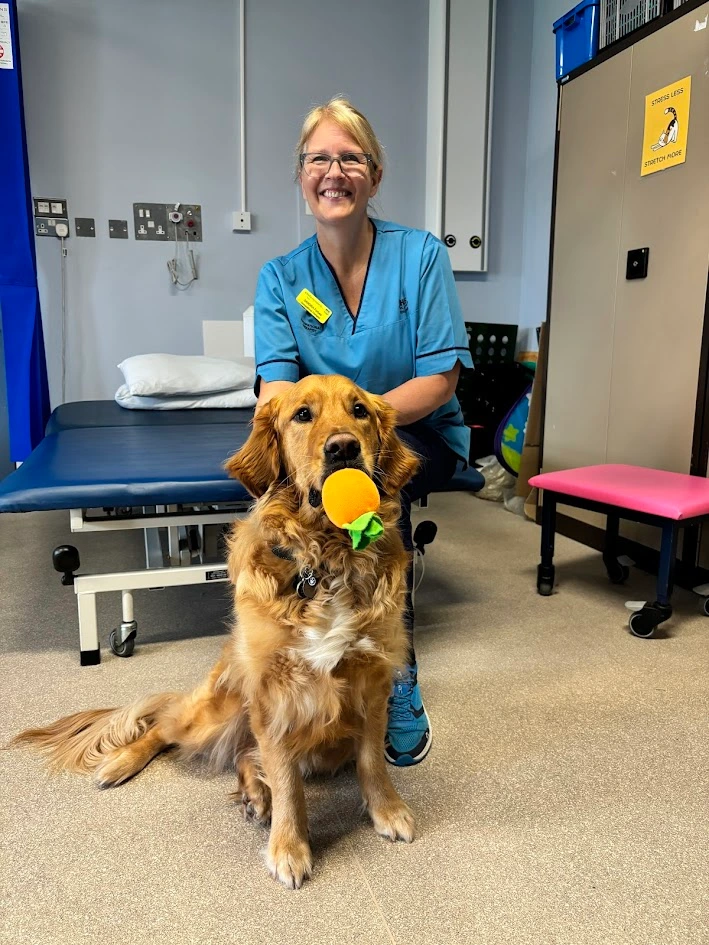
Dogs for Good has been working with Inverclyde Royal Hospital’s Larkfield Stroke Unit for the past year on a project which started life as a pilot. It’s been a huge success and is now being rolled out to other hospitals in Scotland.
Community Dog Ludo, a playful, people-loving golden retriever, works with his handler Úna Race and the Occupational Therapy team at the hospital. We spoke with Occupational Therapist Sandra Forbes, who told us what it’s like having a Dogs for Good presence on the unit and the positive impact Ludo and Úna bring to patients and staff alike.
Ludo is so joyful, patient and well trained and he has a wee cheeky side, too, because he can sniff out your packed lunch from ten metres distance! Úna is so inventive with the toys that she brings in which we then interpret into our interventions with patients.
"Ludo's been here working with us as part of the Dogs for Good pilot project for the last eight months and took over from two other dogs, Billy and Marcia, who worked with us at the start of the pilot," says Sandra.
"The pilot was a big learning curve for us all and we weren't sure how we'd include it in our day-to-day practice and interventions, but we soon worked it out and on a personal note, for staff wellbeing, having a dog come into the unit really fills everyone with joy. We're all dog lovers, apart from one of our team who was initially a bit nervous about it, but she now adores Ludo so that's been a big journey for her.
"Ludo is so joyful, patient and well trained and he has a wee cheeky side, too, because he can sniff out your packed lunch from ten metres distance! Úna, is so inventive with the toys that she brings in which we then interpret into our interventions with patients."
The OT team work to tailor interventions to suit each person's individual recovery journey. With Úna’s guidance, they can weave in creative activities with Ludo as part of the sessions. "A life-changing stroke can affect someone's upper and lower limbs, sometimes down one side," explains Sandra. "So, we do a lot of work around that with interventions focusing on grasp, pinch, reaching etc. using the toys that Úna brings to work with Ludo. The person might pick up a toy and throw it for Ludo, reach out to give it to him, or use a brush to groom him. Things like that.
"We see people in the early stages of their stroke who are then with us for a few months and it's such a joy to watch people improve; it's why we do the job we do and you can't bottle it."
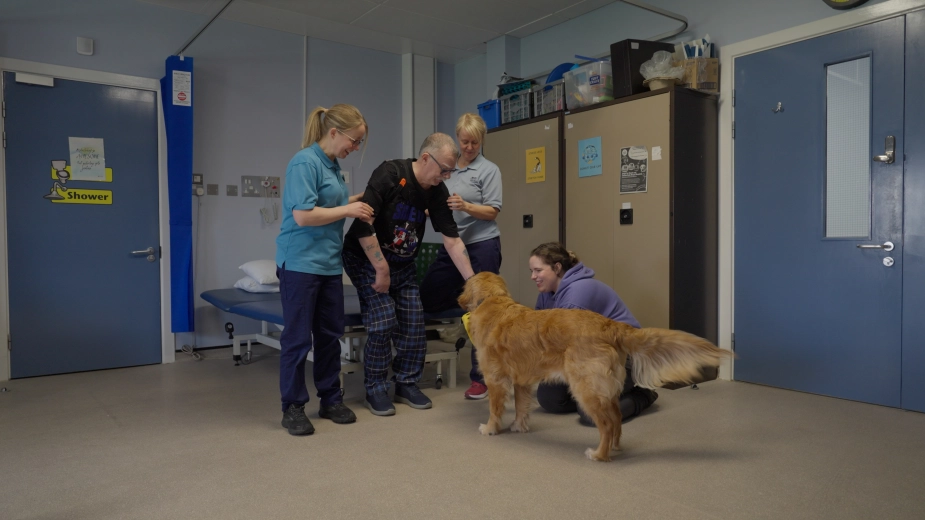
The sessions are an adjunct to our existing interventions, and they make us think out of the box in terms of treatment plans. They engage our patients and the wellbeing uplift for staff and patients is huge.
Having Ludo involved makes a big difference to patients in terms of the way they view and engage with sessions. "First of all, when patients know there's a dog coming to the unit, they're so excited," laughs Sandra. "That leads to them being motivated to engage, keen to get out of bed, get up and get moving. It really provides a routine to their day and they want to come into the gym and work with Ludo. He's so engaging and the minute they see him in his bright green jacket, it's going to be a good day. That's the same for all of us, too!"
Sandra says that the hospital, patients and staff feel proud to have been involved in the project. "We're so grateful to Dogs for Good. The sessions are an adjunct to our existing interventions, and they make us think out of the box in terms of treatment plans. They engage our patients and the wellbeing uplift for staff and patients is huge. We're immensely proud of the journey we've come on together and it's been so good that this project is expanding out to another hospital as well."
Sandra feels that the main reason that the sessions have been expanded into other hospitals has been that senior staff at Inverclyde have seen for themselves how successful it's been for their patients. "If it hadn't been a success here, it would have been so much more difficult to roll out to other hospitals, but we view it as a coup for Greater Glasgow and Clyde to have Dogs for Good work with our stroke patients. I would love to see it working across Scotland. I think everyone; physios, occupational therapists and patients would be delighted if this project could be involved in their hospitals."
We view it as a coup for Greater Glasgow and Clyde to have Dogs for Good work with our stroke patients. I would love to see it working across Scotland.
Going forward, Sandra's view is that there's a place for dogs to be part of ongoing treatment for patients.
"You see patients' confidence and abilities improve here at the hospital, but of course they're still in a supported environment. So, when they go home, it would be lovely to see Dogs for Good working with our community teams in some capacity, because there's definitely a huge role for that."
Occupational Therapy is about getting people back to the lives and activities they did before their stroke and having a dog working on the ward gives a sense of normality to some people. Sandra explains that "often, people will have had or still have their own dogs, so it's a joy for them to know that when they go back home, they can brush their dog, they can use their affected arm to reach out and clap their dog."
"It's just fantastic," she says. "It's a great adjunct to our existing upper limb treatments and I think Occupational Therapy working with dogs in this way is the way ahead.
"In fact, no offence to the rest of the team but Ludo and Úna are my favourite colleagues! I look forward to every Tuesday when they're with us."
Could you help to raise one of our amazing dogs? You don’t need previous experience – just time, patience and plenty of love to give.
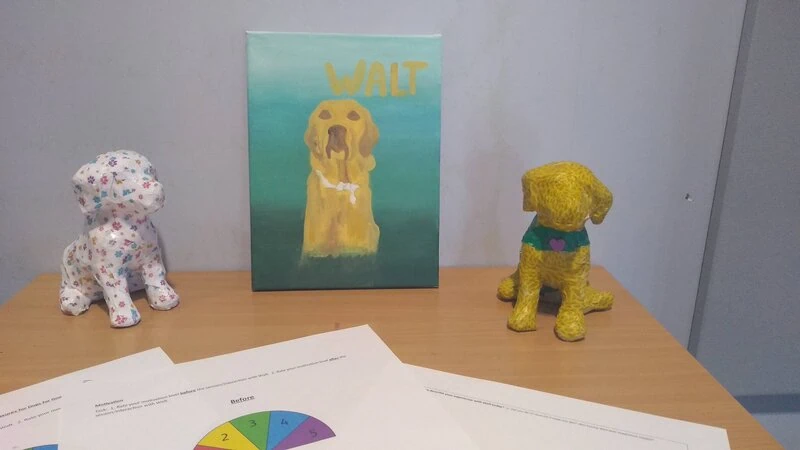
In 2023, a young people's mental health unit made contact with Dogs for Good. The unit supports the needs of young people with the most complex, severe or persistent mental health problems. With regular visits from Community Dogs Ursa and Walt, the young people were encouraged to think of themselves as having an identity beyond being a patient in a mental health unit.
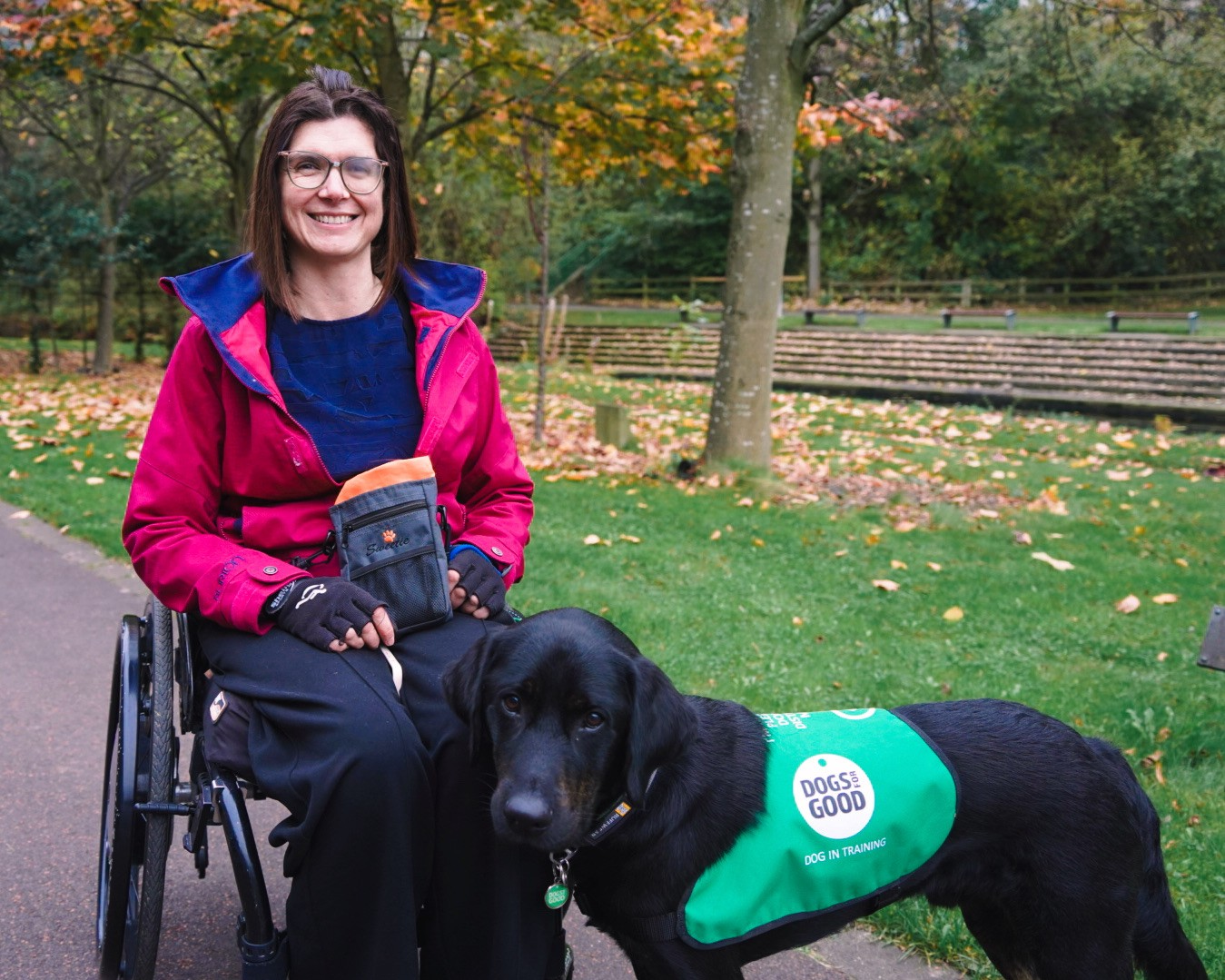
Katy Deacon is a Chartered Electrical Engineer and a Fellow of the Institution of Technology. She’s driven by the desire to make things work better. Focused on finding solutions and innovating.
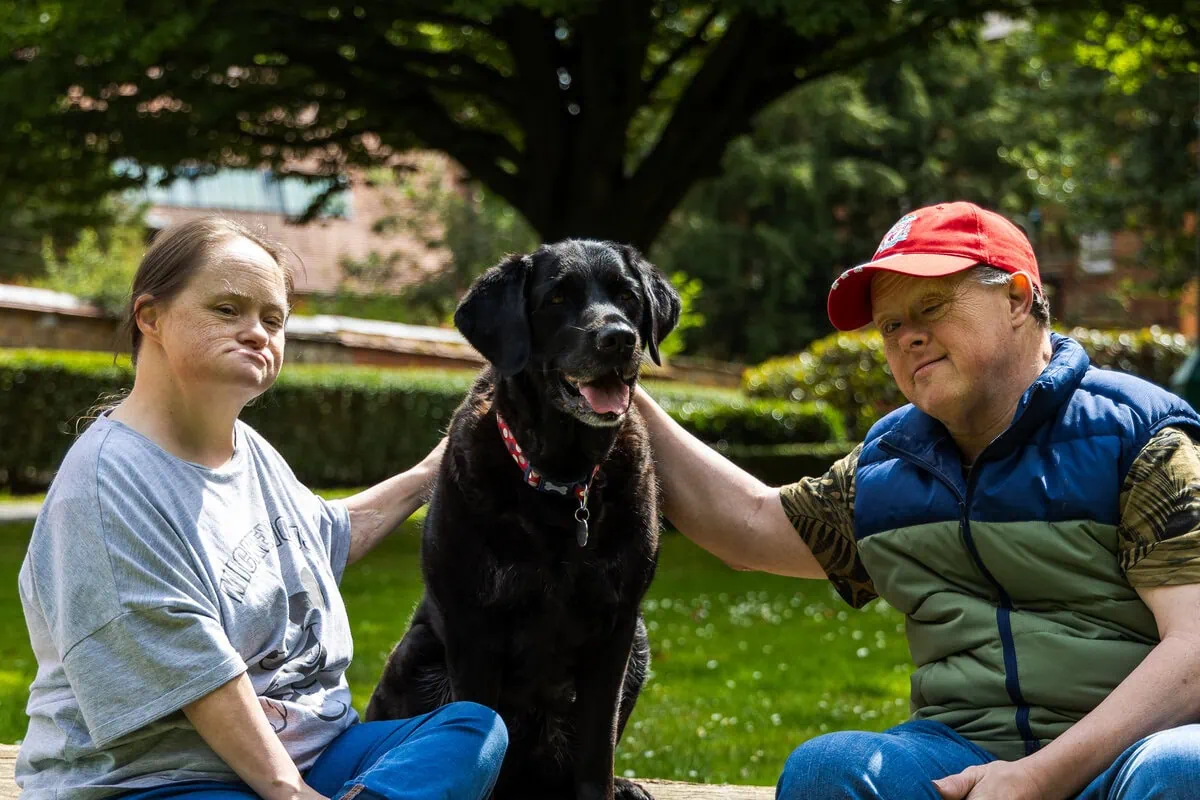
Style Acre provides person-centred services for 288 adults with learning disabilities and autism across Oxfordshire. The Dogs for Good community dog team supports people there to build life skills for themselves, helping them feel independent, confident and more connected to the world.