Boosting confidence, reducing anxiety and sparking joy
Sarah and Walt
18/03/2026
Sarah and Walt
18/03/2026
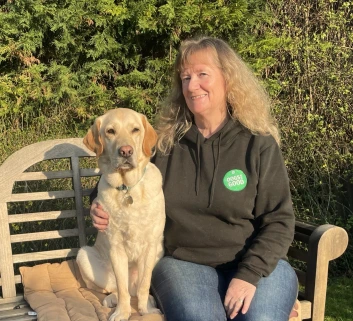
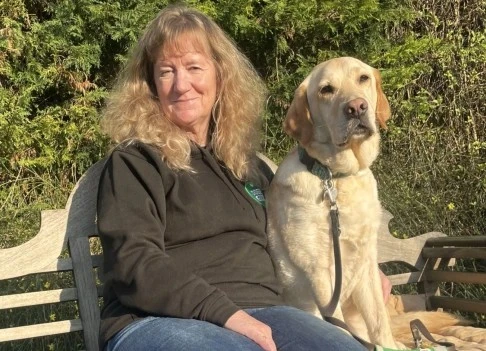
Sarah Tosh Robb has worked at Dogs for Good as a Community Dog handler for 13 years. She has worked with a number of dogs during that time but her current team mate is Walt; a yellow labrador x golden retriever whose wonderful personality and joy for life is a bright spot in the day of anyone who spends time with him.
Our Community Dogs work in the community with a variety of people who have different physical and emotional needs, offering support to each person on a 1-2-1 basis or in a group setting where participants choose to join in with dog-themed activities or just watch from the sidelines; whatever they feel happiest doing.
Currently, Sarah and Walt have a weekly session at a specialised NHS mental healthcare facility for young people with acute mental health needs.
"When the young people see Walt, I see quite a lot of smiles on faces," says Sarah. "They can be small smiles, perhaps just a twitch at the corner of the mouth, or huge smiles that are accompanied by an excited 'Hi Walt!' He'll go round the group and greet everyone in turn. He never leaves anyone out."
Walt accepts everybody equally and I think that's so good for young people to see and know. They can tell he's not putting anything on; they can see that he's just being himself and they can tell that he's really happy to see them.
Dogs for Good knows that the connection between animals and humans can have a hugely positive effect on people and human emotions and Sarah sees this in the work she and Walt carry out.
"As humans, we put a lot of pressure on people without meaning to," she explains. "We ask questions, we chat, we're maybe not always completely truthful in that we hide things behind barriers. With dogs, what you see is what you get. There's no pressure that comes from a dog. They live in the moment, they're honest, they don't hide things, they don't lie, they don't feel guilty… they're just as they are. Walt accepts everybody equally and I think that's so good for young people to see and know. They can tell he's not putting anything on; they can see that he's just being himself and they can tell that he's really happy to see them."
Sarah and Walt have worked at the unit for two years now and Sarah says that she can see progress and definite differences in the young people before and after the weekly group and also, the 1-2-1 sessions.
"When the young people first come in, perhaps for their first session with Walt, they might just want to sit back and watch, which of course, is absolutely fine," she says. "And then, bit by bit, you can gradually see their confidence grow stronger. And sometimes, you see social interactions happening within the group; some of the young people who are more familiar with Walt and the sessions will offer to help those that are new to things by helping and sharing knowledge of what Walt can do which is really lovely to witness."
The group sessions at the unit involve various activities and games with Walt, for example, setting up an obstacle course. The young people set up a mini obstacle course which could include a tunnel, jump, weaves and tricks for Walt to complete and they encourage and support him throughout.
Other activities include dog bingo where Walt chooses the numbers for the game from a bucket of numbered tennis balls. "It's very popular," laughs Sarah. Another activity is simply a session to learn about Walt, what he needs, how he communicates with people, how to keep him healthy and so on.
"The sessions are also quite calming, which is hopefully the effect of Walt being there, reducing people's anxieties and stress levels, which helps to make them feel a bit more relaxed," says Sarah. "I know it always works for me!"
We had one young person who had to have interviews with the school she was going to attend once she'd left the unit. She was very anxious and nervous about it and asked for Walt to be there with her which we made happen... She found herself able to talk to the teachers without it being too overwhelming.
The effect of the sessions with Walt delivers a huge impact on the young people's attendance and enthusiasm for school; something that the unit ensures is part of the daily routine in the time they spend there.
"The impact of being together with Walt in the school rooms can really help the young people who struggle in a classroom environment to stay on and attend school following his sessions," explains Sarah. "We've also been involved in helping some young people further by assisting them with AQA awards and some have even worked towards animal care qualifications. Walt's been involved in this, helping in 1-2-1s, and also, little visits from Walt just before an exam starts, can help reduce anxiety."
Sarah remembers a particular time when Walt’s influence was particularly powerful to one young person at the unit.
"We had one young person who had to have interviews with the school she was going to attend once she'd left the unit," she explains. "She was very anxious and nervous about it and asked for Walt to be there with her which we made happen. He sat on the bean bag with her, and she found herself able to talk to the teachers without it being too overwhelming. She also read out a piece of her written English work which, I was told afterwards, was something that no one thought she'd ever be able to do. But Walt being there with her meant that it was achievable for her. There were a further two interviews and again, Walt and I were asked to be there which was fantastic and really demonstrated how much impact his support had."
Of course, labradors are known for their friendliness, but Sarah thinks Walt is super-special in that respect. "He's very natural, he's not been taught to be that way, it's part of his character and who he is," she says.
"Walt also has a sense of who the young people are and who the staff are as he pays more attention to the young people than he does to anyone else. He's sensitive to feelings so perhaps if there's someone who's very quiet, he will still go over and greet them, which not all dogs would do. Other dogs might think if that person isn't giving them any attention, they'll go elsewhere. But Walt will always gently try and get that engagement. He'll go over, give them a little nudge, a little wag of the tail to say hi and see if they respond, but if they don't want to, he'll just leave them to it and try again another time. He always has to greet people when they come in and say goodbye when they leave; he never misses anybody out!"
Walt always has to greet people when they come in and say goodbye when they leave; he never misses anybody out!
As well as his friendliness, kindness and fun-loving nature, Walt has a particularly impressive skill which is one of the things the young people have taught Walt to do.
"Yes, Walt is now a keen skateboarder!" laughs Sarah. "We had a cohort of young people who wanted to teach him something new so I brought in a book of different tricks that dogs can learn which they looked through. Then someone asked if he could skateboard and if not, could we teach him that! I said we could, but we'd all be learning together as I've never taught a dog to do something like that!"
With Sarah's supervision and guidance, the group came together and very successfully taught Walt to skateboard. "It was a first for me," says Sarah. "We have a specially adapted board for him and built it up slowly, a few minutes in each weekly session and he loved learning it.
"It can be a bit chaotic because he's not an expert boarder – yet - and he doesn't always go in a straight line, but the young people really enjoy seeing it and it's given them a great sense of achievement. In fact, the skateboard is probably one of the most exciting things they want to see, and they'll request it when they've not seen it for a while or if new people have joined the unit."
Obviously, the safety and positivity of any Community Dog session is paramount for both humans and dogs. "As with any organisation we work with, we carried out a scoping visit and worked with the unit to put together a mutually agreed risk assessment," explains Sarah.
"We then organised for Walt to come in and have a look around, so he was able to get to know the place and feel comfortable there.
"Once we were ready to start sessions off, we arranged the rooms so that there's always an exit for whoever might need that; be it a young person or Walt, so they can just take themselves off and have a quick break.
"The young people are always supported by a member of staff and Walt is always supported by me; I'll never leave him with anyone else. In a nutshell, I'm there to support Walt in his work and clinical staff are there to support the young people."
"I really enjoy coming to the unit," says Sarah. "I probably see the best of the young people because I'm with Walt and it's lovely to see the progress and the pleasure he can bring to people."
Your support will enable us to bring more people and dogs together.
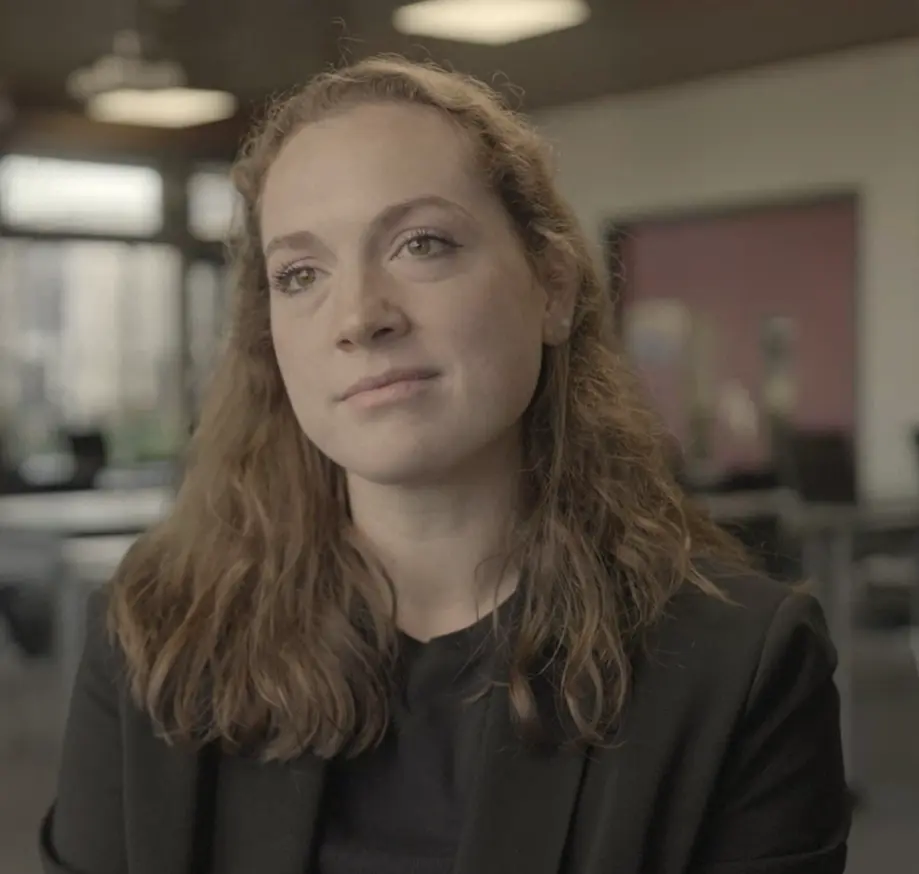
Community Dog Handler Julia and golden retriever, Georgie have been working at a secondary school delivering sessions to students who are dealing with grief and loss.
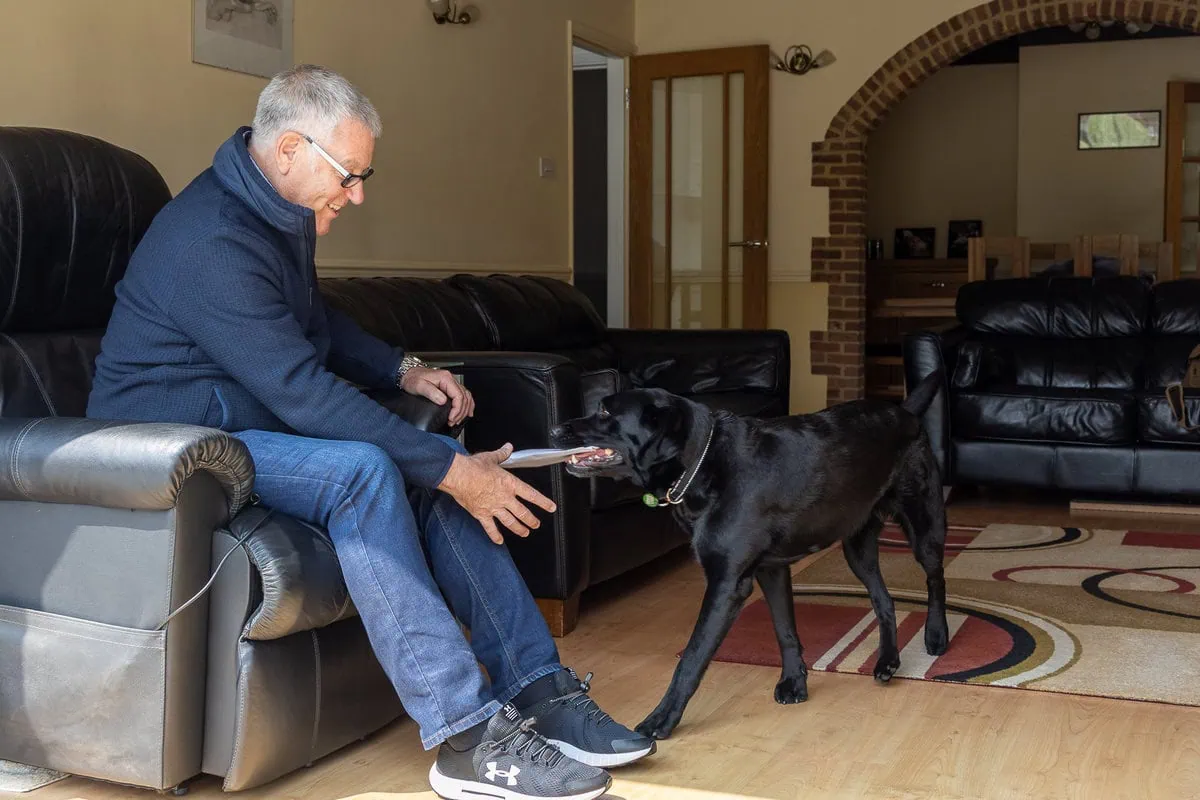
After an unexpected diagnosis of MS, Neil soon had to rely on a mobility scooter. He found himself embarrassed and demoralised, staying in the office at lunchtime and feeling ignored and avoided when he did encounter people in the street. In 2021 he was paired with Sage, his “four-legged life-changer”.
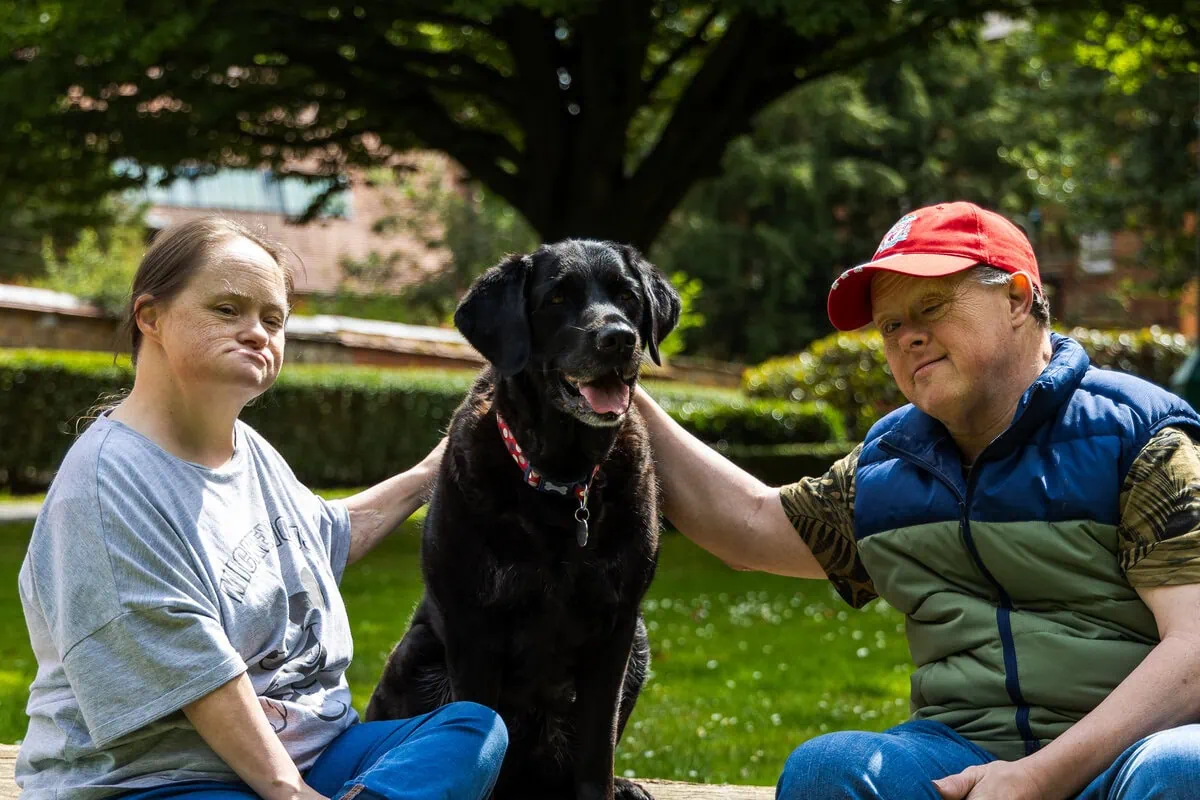
Style Acre provides person-centred services for 288 adults with learning disabilities and autism across Oxfordshire. The Dogs for Good community dog team supports people there to build life skills for themselves, helping them feel independent, confident and more connected to the world.